
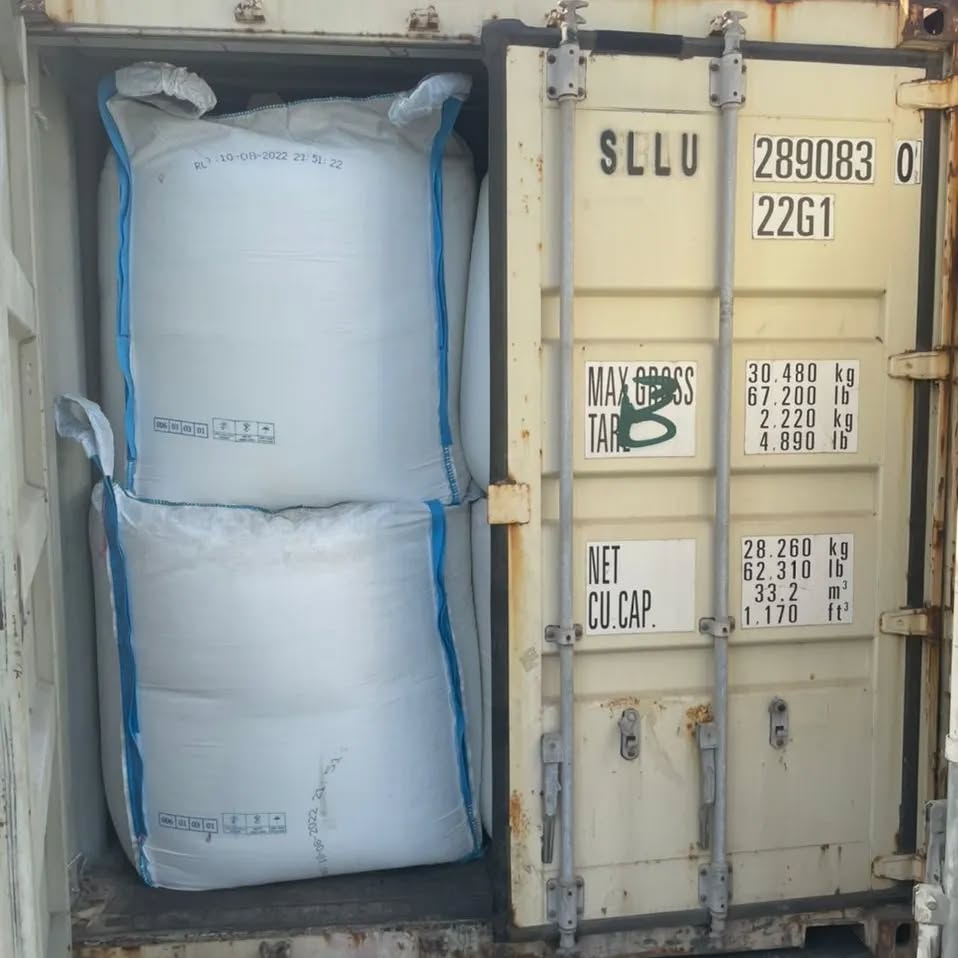
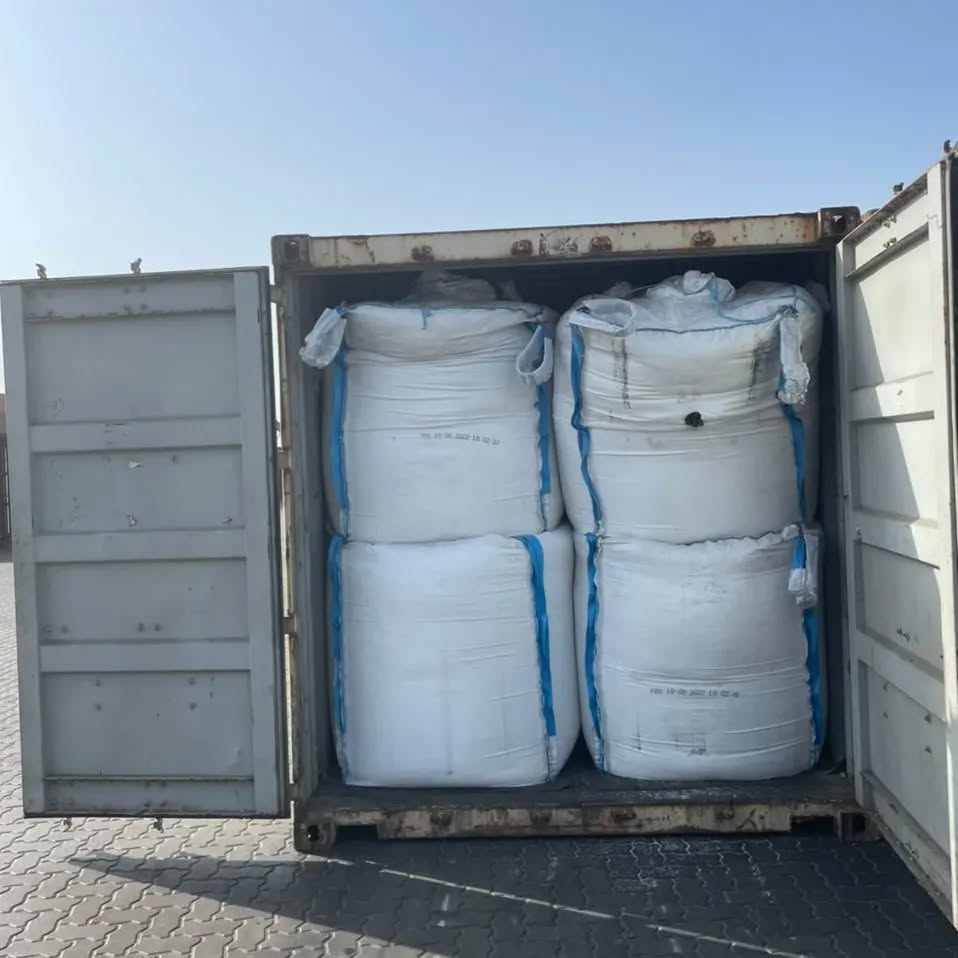
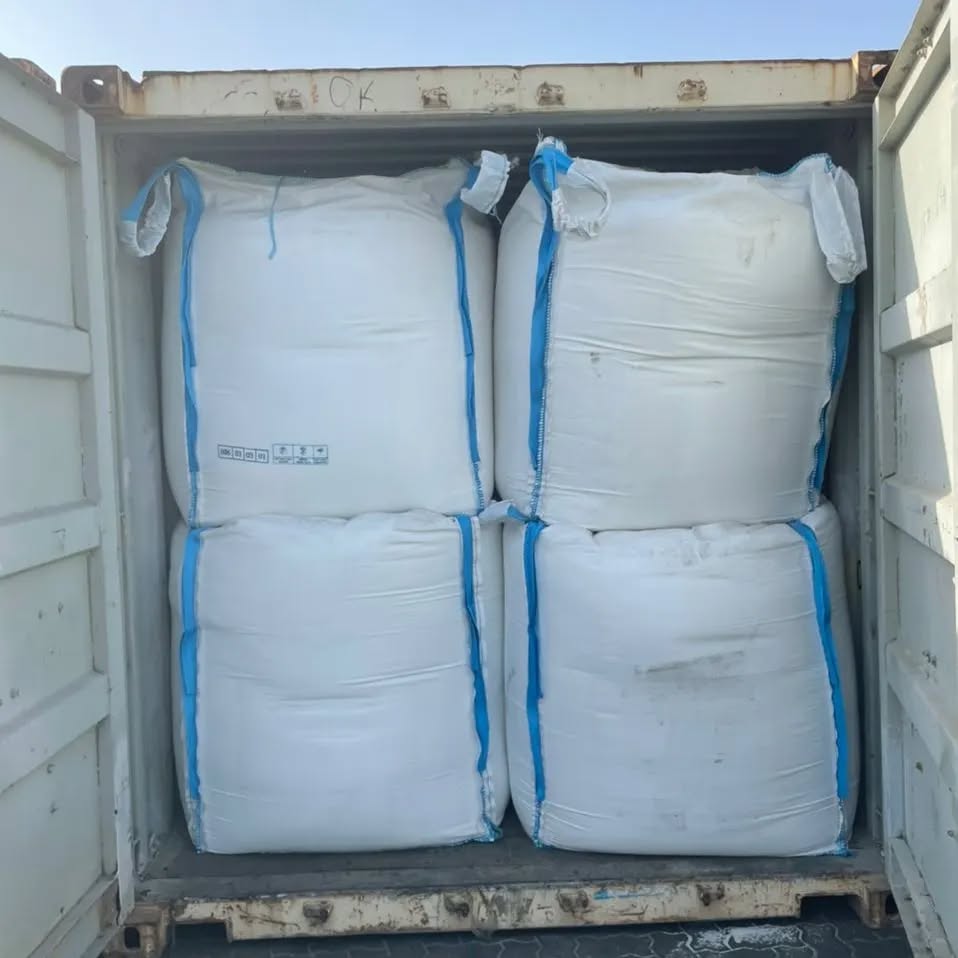
Why Choose Our Urea?
-
Ultra‑High Nitrogen Content
Delivers more nitrogen per kilogram than alternative solid fertilizers—great for maximizing yield per input weight -
Cost‑Efficiency
Urea offers top-tier nitrogen at a lower cost compared to ammonium nitrate or ammonium sulfate -
Versatile Application
Suitable for broadcasting, banding, top‑dressing, fertigation, and foliar sprays via irrigation systems or sprayers -
Improves Soil Health
Promotes microbial activity, enhances soil structure, and supports efficient nutrient cycling when used correctly -
Controlled‑Release Options Available
We offer coated or stabilized urea versions (e.g. sulfur-coated, polymer-coated, urease inhibitors) that reduce volatilization and extend nutrient release
How It Works
-
Hydrolysis
Urea is converted by urease in soil into ammonia and carbon dioxide, then to ammonium ions (NH₄⁺), which plants absorb. -
Nitrification
Soil microbes convert ammonium into nitrate (NO₃⁻), the preferred nitrogen form taken up by most crops
Application Instructions
-
Timing: Apply during active vegetative stages when nitrogen demand is highest (e.g. early–mid growth).
-
Method:
-
Broadcasting: Spread evenly over soil.
-
Banding: Place in bands near root zones to improve uptake efficiency and reduce losses.
-
Foliar Spray/Fertigation: Dissolve in water and apply via sprayer or irrigation.
-
-
Incorporation: Immediately incorporate into soil or water after application to reduce ammonia loss via volatilization.
-
Best Practices:
Conduct soil tests to determine nitrogen needs; avoid application directly on seeds; and avoid applying when soil surface is dry or before heavy rainfall.
Specification
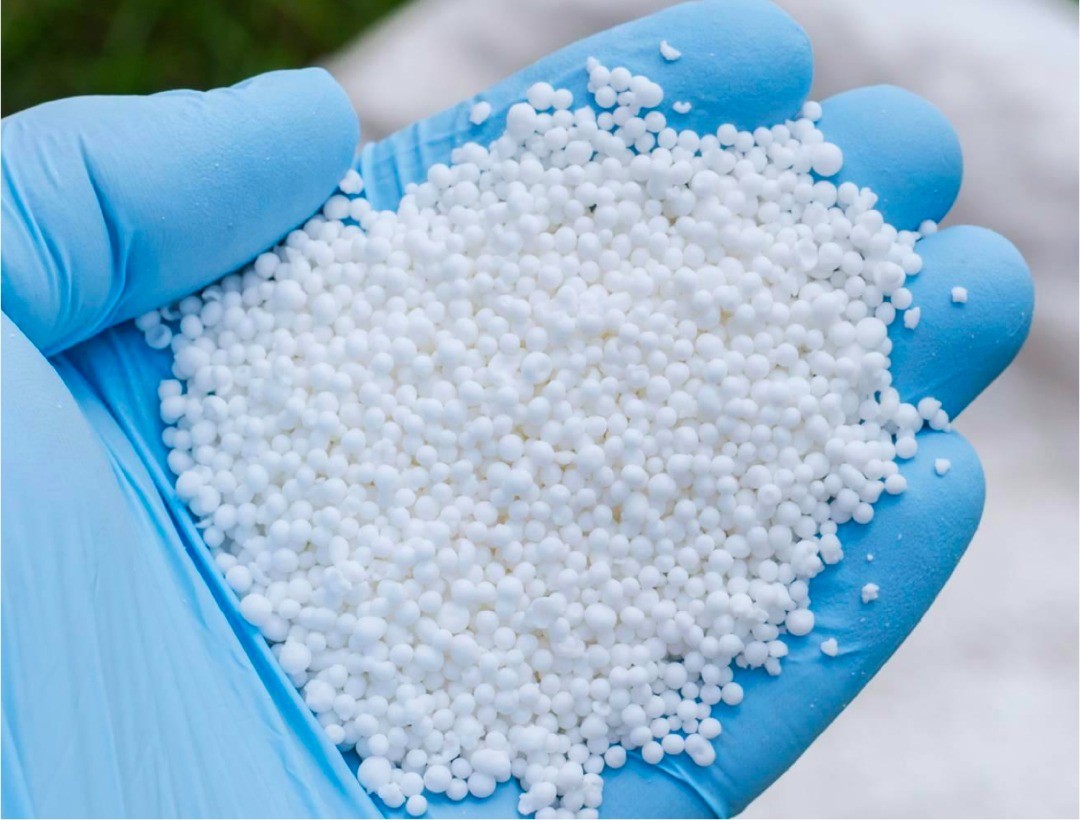
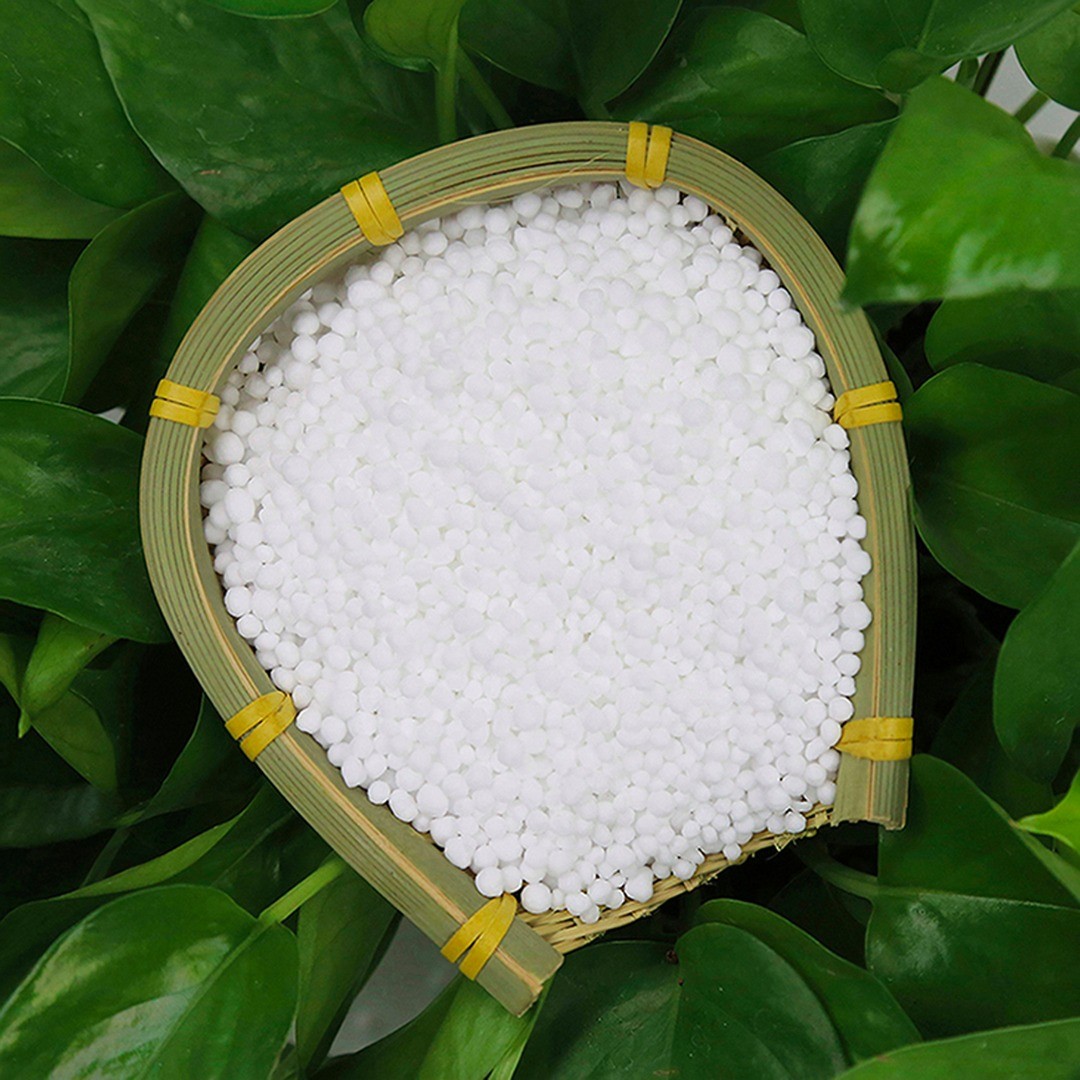
| Appearance | White, Free flowing |
| Urea Assay | 98% min |
| Nitrogen | 46% min |
| Moisture | 1 % max |
| Biuret | 1.5%max |
| Insolubles (ppm) | 20 max |
| Aldehydes (ppm) | 15max |
| Granular Size(0.85-2.80mm) (1.18~3.35 mm) or (2.0-4.75mm) | 90%min |
Environmental & Safety Notes
-
Volatilization Risks: Surface-applied urea in hot, high‑pH, or dry conditions may lose nitrogen as gaseous ammonia—incorporation or urease inhibitors help mitigate this
-
Leaching Potential: Excess nitrogen may leach into groundwater, especially in sandy soils or following heavy rains—use recommended rates and timing.
-
Greenhouse Emissions: Some nitrogen may be emitted as nitrous oxide (N₂O); proper management minimizes emissions.
-
Handling Precautions: Granules may contain trace anti‑caking agents; avoid inhaling dust or contact with eyes/skin. Wear proper PPE.
Recommended Crops & Use Cases
Ideal for nitrogen-demanding crops such as:
-
Cereals: wheat, maize, rice
-
Legumes: soy, beans
-
Vegetables: potatoes, onions, tomatoes
-
Fruits: citrus, bananas, grapes
-
Pasture, forage, tobacco, and oilseed crops
When used with proper agronomic planning and soil testing, yields and crop quality improve significantly
Urea Fertilizer Supplier – Purchase Information
-
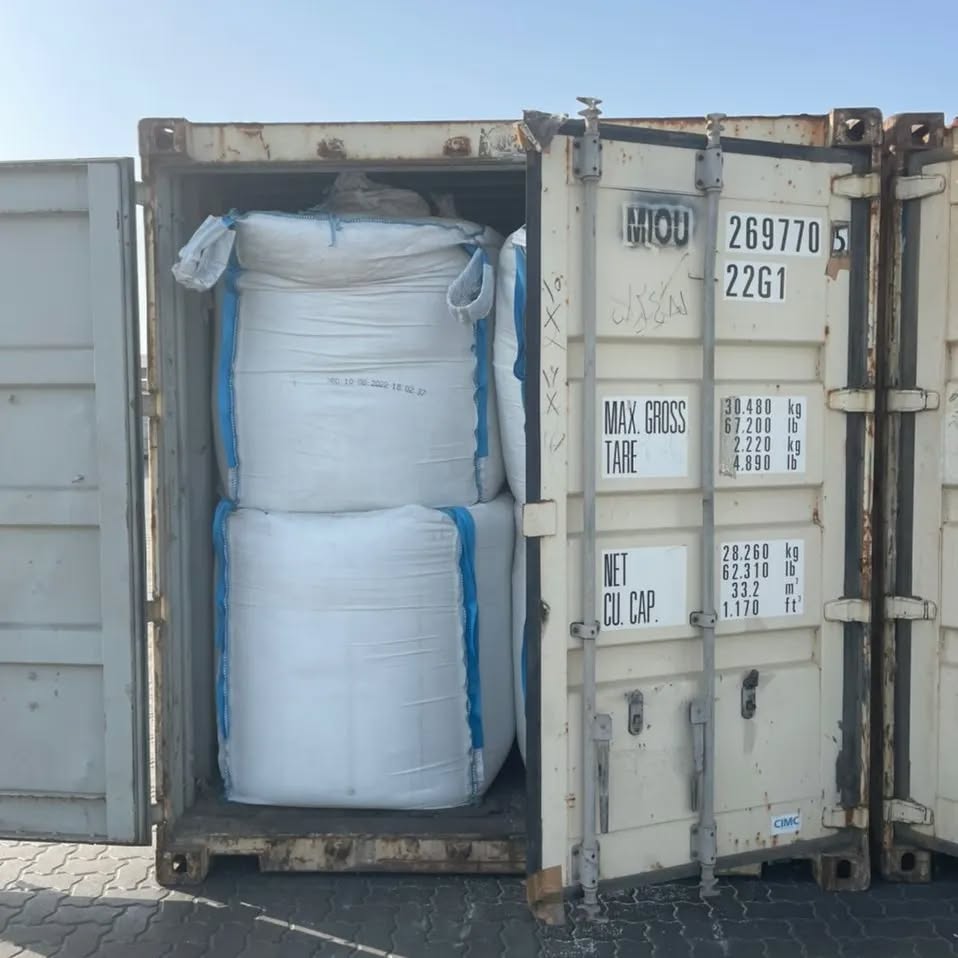
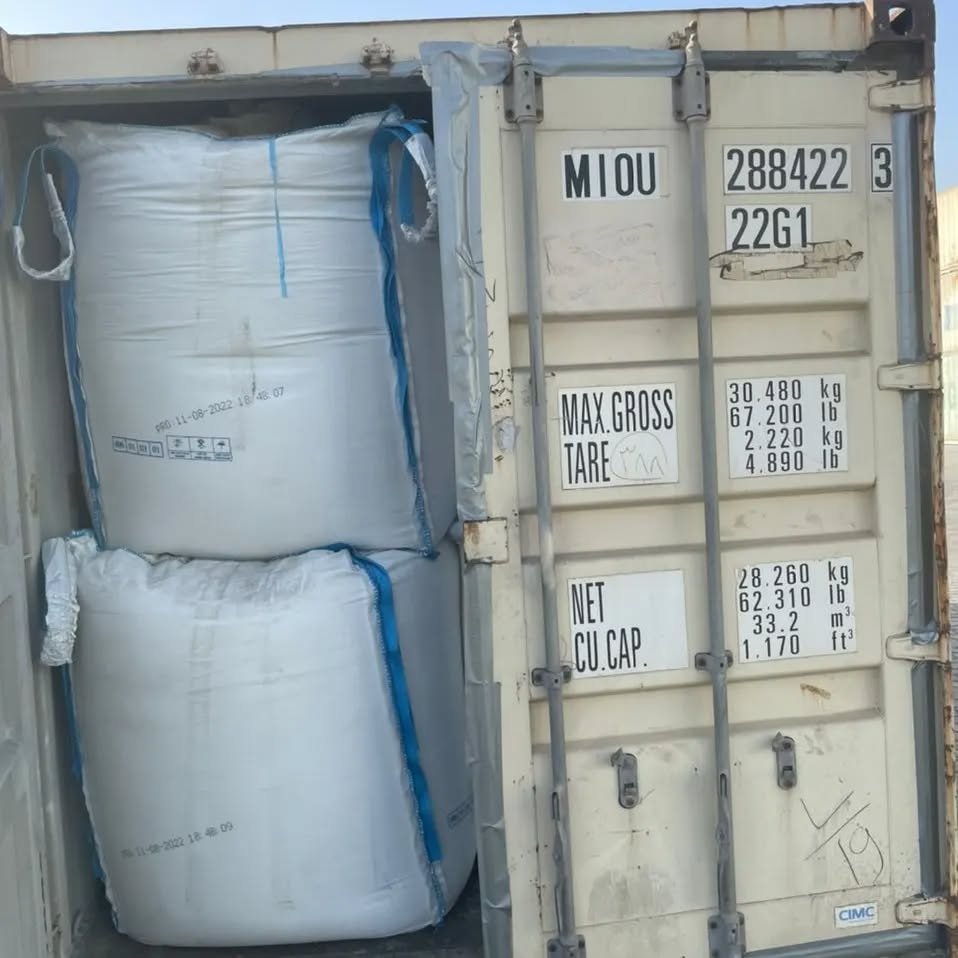
MOQ: Flexible—small sacks to bulk orders
-
Delivery: Nationwide from Dar es Salaam; available port pickup or farm delivery collaboration.
-
Pricing: Volume-based, competitive pricing in TZS/MT or USD/MT.
-
Quality Certification: Guaranteed ≥99% purity, moisture content ≤1%. Optional coatings/inhibitors available upon request.
Contact us
WhatsApp: +255 767 142 562
Email: sales@highprofileagricultureservices.com